Category:
RelationshipsHealthy Boundaries: A Form of Self-Love for Women

Understanding Healthy Boundaries

In the realm of relationships, establishing healthy boundaries is paramount. For women, these boundaries are not just about saying 'no' to others, but more significantly, saying 'yes' to oneself. Recognizing personal limits and communicating them effectively is a profound act of self-love and respect.
What Are Healthy Boundaries?
Healthy boundaries are guidelines that define acceptable behavior, protect personal values, and ensure emotional well-being. They allow individuals to safeguard their time, energy, and feelings, promoting mutual respect and understanding in relationships.
Types of Boundaries Include:
- Physical Boundaries: Personal space and physical touch preferences.
- Emotional Boundaries: How we share feelings and protect our emotional well-being.
- Time Boundaries: Allocating time for oneself versus commitments to others.
- Material Boundaries: Managing personal possessions and resources.
- Mental Boundaries: Respecting differing opinions and beliefs.
Why Boundaries Matter
For women, societal and cultural pressures often blur the lines of personal space and self-worth. Healthy boundaries assert individuality and self-respect, crucial elements in any balanced relationship. By maintaining clear boundaries, women can:
- Enhance Self-Esteem: Knowing and respecting one's limits fosters self-confidence.
- Prevent Burnout: By prioritizing personal needs, women can avoid exhaustion and stress.
- Improve Relationships: Clear boundaries promote communication, reducing misunderstandings.
- Encourage Personal Growth: Boundaries create space for self-development and introspection.
The Connection Between Boundaries and Self-Love
Self-Love Through Boundaries
Self-love is the foundation of a fulfilled life. Setting boundaries is a tangible way of expressing self-love as it prioritizes personal well-being over external validation. When women establish and maintain boundaries, they demonstrate a commitment to their happiness and health.
Practical Steps to Set Healthy Boundaries
- Reflect on Personal Needs: Understanding what you need from yourself and others is the first step.
- Communicate Clearly: Express your boundaries clearly and assertively without guilt.
- Stay Consistent: It's vital to consistently enforce your boundaries to maintain respect.
- Be Prepared for Pushback: Some may resist your boundaries; remain firm and prioritize your well-being.
- Seek Support: Engaging with supportive friends or professional help can bolster your boundary-setting efforts.
Overcoming Challenges in Setting Boundaries
Setting boundaries can be challenging, especially for women conditioned to prioritize others. Here are common obstacles and how to overcome them:
- Guilt: Remember, self-care is not selfish. Reframe your mindset to view boundary-setting as essential.
- Fear of Conflict: Practice assertiveness in a calm and respectful manner to minimize confrontation.
- Lack of Confidence: Build self-esteem by acknowledging your rights and valuing your needs.
The Long-Term Benefits of Healthy Boundaries
Establishing boundaries is a journey, not a destination. Over time, these boundaries lead to lasting benefits, including:
- Healthier Relationships: Relationships flourish when both parties respect each other's limits.
- Improved Mental Health: Reducing stress and increasing emotional stability contribute to better mental health.
- Greater Life Satisfaction: Living authentically and respecting personal values enhances life satisfaction.
Conclusion
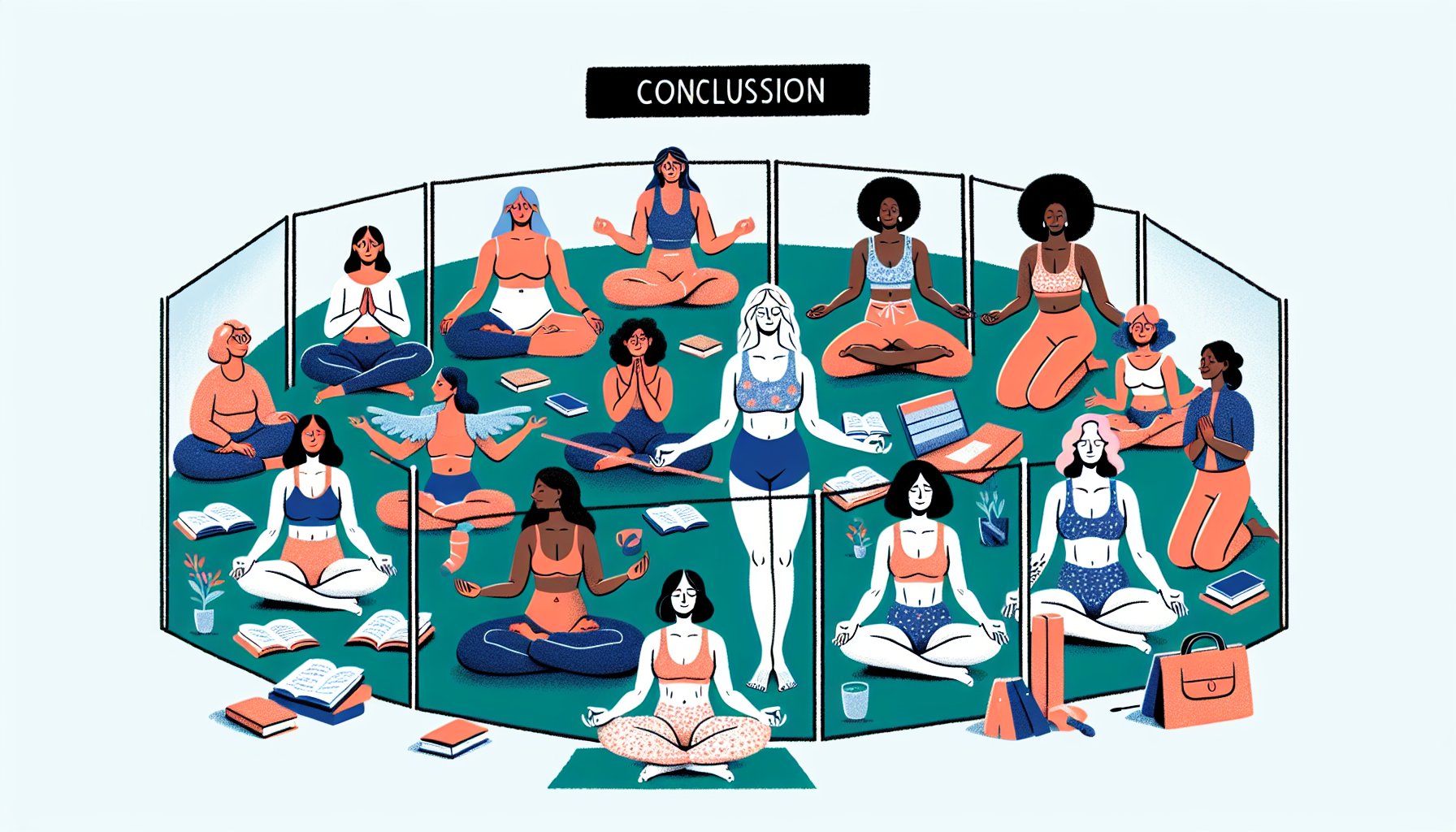
Healthy boundaries are a vital form of self-love for women, empowering them to lead balanced, fulfilling lives. By understanding and implementing these boundaries, women can nurture their self-worth and foster healthier relationships. Remember, setting boundaries is not about isolation but about creating a safe space for growth and connection.