Category:
BeautySigns of a Damaged Skin Barrier and Solutions
Understanding Your Skin Barrier
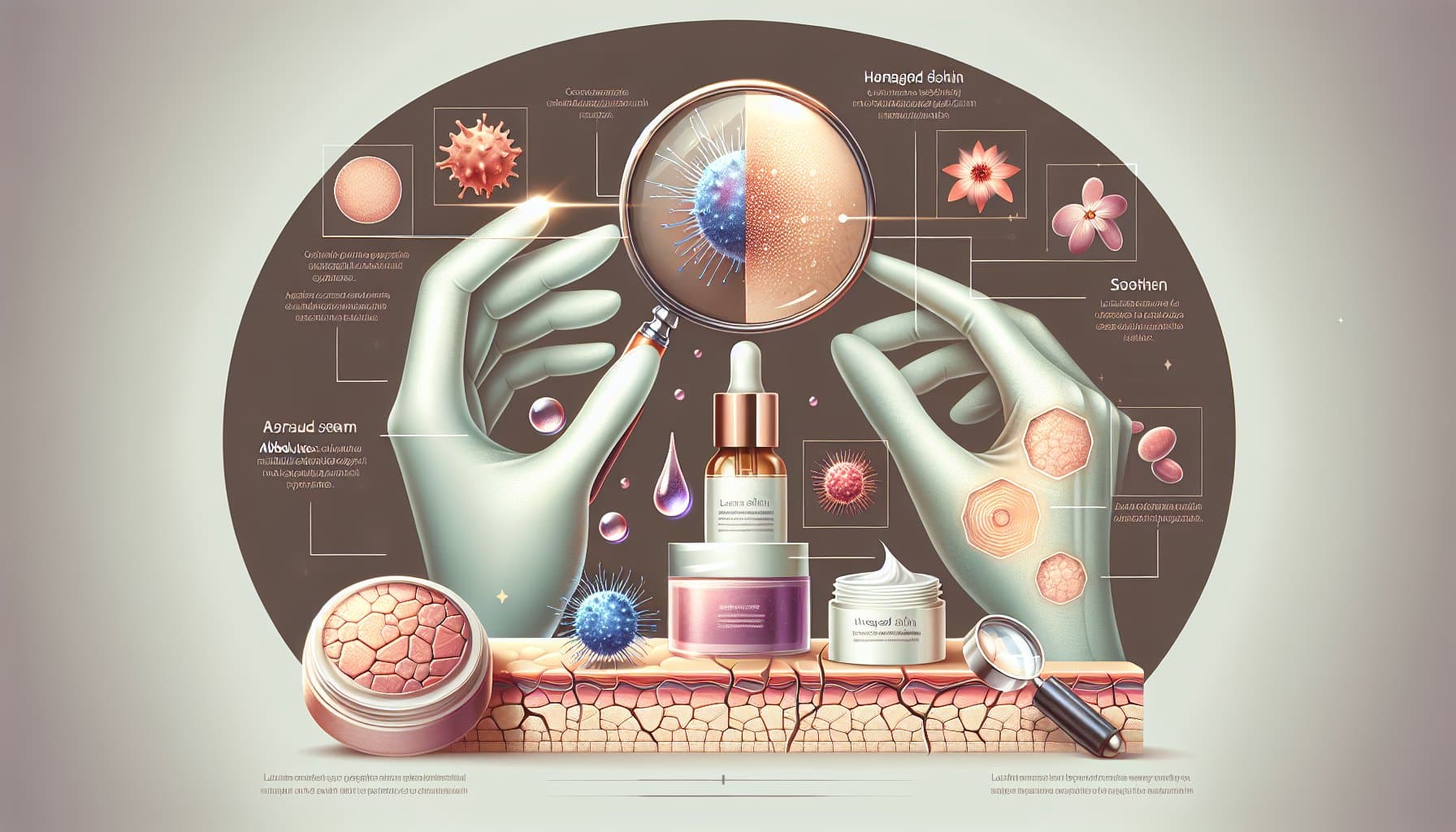
The skin barrier, also known as the stratum corneum, is the outermost layer of your skin. It acts as a protective shield against environmental aggressors like pollutants, toxins, and bacteria, while also maintaining hydration levels by preventing moisture loss.
Signs Your Skin Barrier Is Damaged
A compromised skin barrier can lead to several noticeable changes in your skin's appearance and texture. Here are some common signs:
- Increased Sensitivity: If your skin reacts more than usual to products or environmental changes, it could be a sign of a weakened barrier.
- Dryness and Flakiness: Persistent dryness and flakiness, despite using moisturizers, indicate that your skin is struggling to retain moisture.
- Redness and Inflammation: Red patches and inflamed skin can be symptoms of a disrupted barrier function.
- Acne and Breakouts: A damaged barrier may lead to acne and frequent breakouts due to the invasion of bacteria and pollutants.
- Itchiness: If your skin feels itchy without an apparent cause, it could be due to a compromised skin barrier.
Causes of Skin Barrier Damage
Understanding the root causes of skin barrier damage can help in preventing it. Here are some common culprits:
- Over-Exfoliation: Excessive use of exfoliants can strip away natural oils, leading to a weakened barrier.
- Harsh Skincare Products: Products with high alcohol content or strong fragrances can damage the skin's protective layer.
- Environmental Factors: Extreme weather conditions, pollution, and UV exposure can compromise the skin barrier.
- Stress and Poor Diet: Lifestyle factors like stress and an unhealthy diet can adversely affect skin health.
How to Repair a Damaged Skin Barrier
Repairing your skin barrier requires a strategic approach to skincare and lifestyle modifications. Here are some effective strategies:
Use Gentle Cleansers
Choose a mild, sulfate-free cleanser that doesn't strip your skin of its natural oils. Look for products with hydrating ingredients like glycerin or hyaluronic acid.
Moisturize Regularly
Opt for a rich, nourishing moisturizer that contains ceramides, which are essential for barrier repair. Apply it immediately after cleansing to lock in moisture.
Limit Exfoliation
Reduce the frequency of exfoliation to once or twice a week. Use gentle exfoliants like lactic acid or enzymes to avoid irritation.
Protect from the Sun
Always wear sunscreen with at least SPF 30 to protect your skin from harmful UV rays. Reapply every two hours if you're outdoors.
Incorporate Barrier-Repairing Ingredients
Look for skincare products that contain niacinamide, fatty acids, and antioxidants. These ingredients help soothe and strengthen the skin barrier.
Maintain a Healthy Lifestyle
A balanced diet rich in omega-3 fatty acids, vitamins, and minerals can support skin health. Managing stress through mindfulness or exercise can also positively impact your skin.
Conclusion
A healthy skin barrier is crucial for maintaining overall skin health. By recognizing the signs of damage and implementing effective repair strategies, you can restore your skin's barrier and achieve a radiant, resilient complexion. Consistency is key; make these practices a regular part of your skincare routine to see lasting results.